BATwireless Antenna Testing for S-Parameters, VSWR, and Impedance Matching
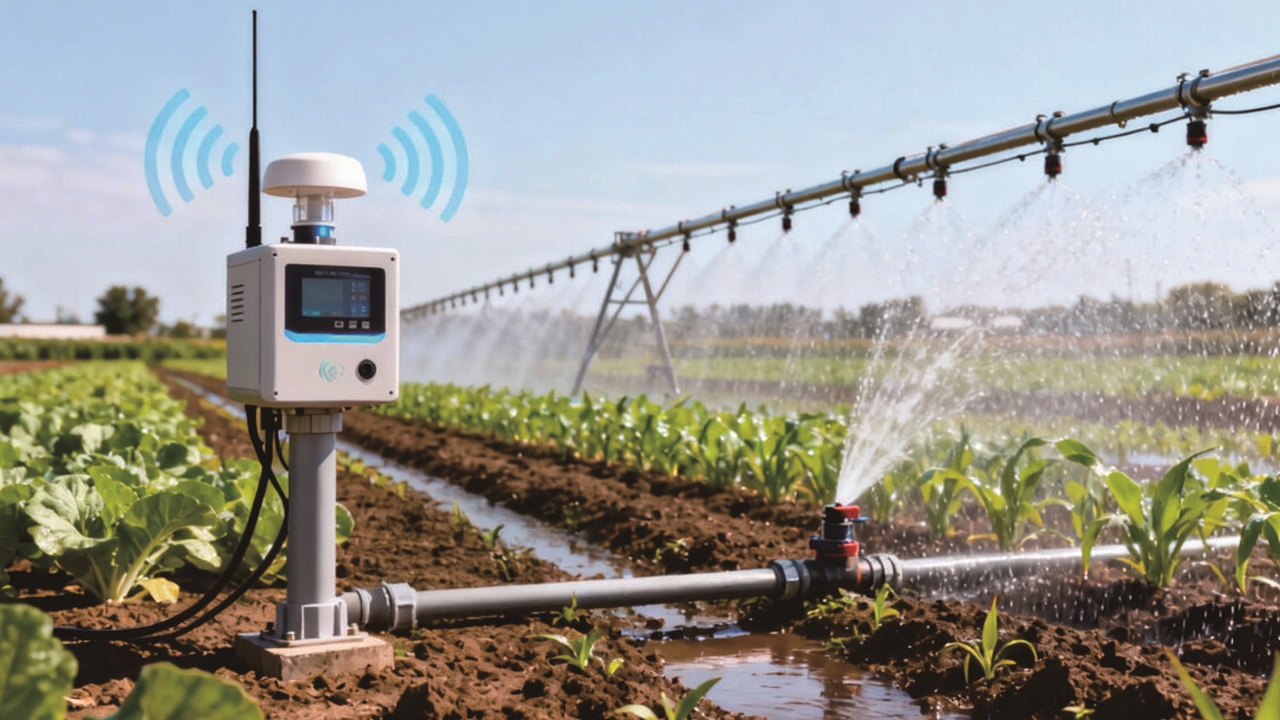
Wireless communication requires accurate antenna performance to guarantee stability and reliability. Signals may deteriorate, devices may be interfered with, and networks will not be able to provide a uniform coverage without adequate testing. BATwireless uses organized antenna testing methods to test important parameters like S-parameters, VSWR, and impedance matching of antennas to ensure the antennas are technically satisfactory before actual deployment. The process helps engineers identify problems early and streamline antenna designs to better suit the real world.
Understanding S-Parameters
Scattering parameters or S-parameters are a set of parameters that are used to characterize the behavior of radio frequency energy as it passes through an antenna system. They show the degree of reflection and the transmission power of an antenna, revealing the effectiveness of the antenna in transmitting or receiving signals. Good performance is reflected in low reflection and high transmission. The quantification of S-parameters enables engineers to identify areas of energy loss and interference, helping ensure that antennas can operate within their desired frequency ranges.
Measuring VSWR
VSWR, or voltage standing wave ratio, is used to measure the matching of the transmission line of an antenna. A low VSWR means most of the signal is transmitted with little reflection, whereas a high VSWR indicates energy is reflected back, leading to inefficiencies. VSWR testing provides insight into signal loss and potential performance issues associated with devices, both on the IoT side and in base stations.
Assessment of Impedance Matching.
It is called impedance matching, which matches the antenna impedance to the transmission line impedance so that maximum power is delivered to the load. Mismatch may result in wasted energy, reduced coverage, and decreased network reliability. BATwireless assesses the impedance of the settings of exact instruments to guarantee the antennas provide the ideal signal strength within the range of operation. Efficiency by proper matching enhances overall efficiency and also aids in the development of stable communication within diverse settings.
Pre-Testing Preparation
BATwireless sets clear requirements and calibrates all the test equipment before the measurement process is initiated. The antennas are examined, and the required specifications are recorded, including frequency range, connector type, and size. This will be done to make sure that when they are being tested, the conditions are the same and the results are not due to changes in the environment or errors in the equipment being used.
Basic Parameter Testing
BATwireless uses S-parameters, VSWR, and impedance measurements with calibrated devices, such as vector network analyzers. Each test studies the antenna’s behavior under controlled conditions, such as frequency and reflection tests. The tests produce accurate numerical results that demonstrate the antenna’s ability to transmit and receive signals successfully.
Radiation and Performance
Radiation pattern testing is an augmentation to S-parameters, VSWR, and impedance, although directional performance is established through it. With these measurements, engineers can determine how well the antenna is performing in terms of energy delivery in specific directions and the distribution of signals in accordance with the design intentions. This is useful in finding lost unexpected losses or beam deviation.
Environmental Considerations
BATwireless also considers environmental impacts when testing. S-parameters, VSWR, and impedance are susceptible to temperature variations, humidity, and mechanical vibration. Antenna testing is done by simulating the actual operating conditions to ensure the stability of performance of the antennas in real-world environments.
Data Analysis
Testing is then analyzed to provide actionable insights. Engineers’ results are compared with expected ranges, and deviations are noted that may necessitate design changes. This will be done to guarantee that the antenna is technologically acceptable before proceeding to production or deployment.
Reporting
The BAT wireless can be used to summarize the results in a detailed report with graphs, numerical readings, etc. These reports provide clear reflections of S-parameter, VSWR, and impedance characteristics. Areas that need to be improved are also reported, and ensure that technical requirements are met.
Design Optimization
Experience during testing enables engineers to improve antenna design. Physical geometry, material choice, or connector interfaces can be adjusted to improve signal transfer, reduce reflections, and achieve better impedance matching. This is an iterative process that is more efficient and reliable in any application.
Conclusion
S-parameter, VSWR, and impedance testing are important processes of antenna development. The methods and processes used by BATwireless are accurate in measuring, and therefore, the antennas work effectively and competently. Between the initial calibration and final reporting, all the stages can offer useful information in terms of streamlining performance. Proper testing enables the use of antennas to provide consistent signals, enhance energy efficiency, and provide reliable wireless networks in various applications. The adequate consideration of these parameters enhances the work of gadgets, reduces interference, and creates the conditions for effective communication both in areas with no problems with the Wi-Fi network and outdoors.